There are limitless projects in the Wienold universe, most of which are out of necessity. I also have my tinkering projects that exist just because. They really only provide me with a creative outlet and a means to build or design something that I want rather than need. Many Most of these projects are in some state of partial completion or at the very least evolution. The truck and RV tend to be the beating heart for many of these projects and the rear accessory power box is one such project.
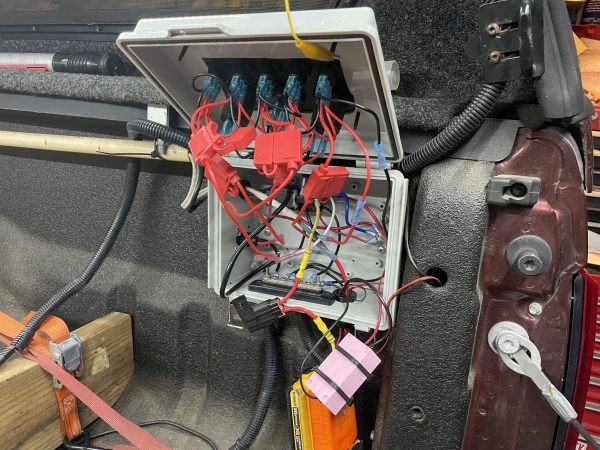
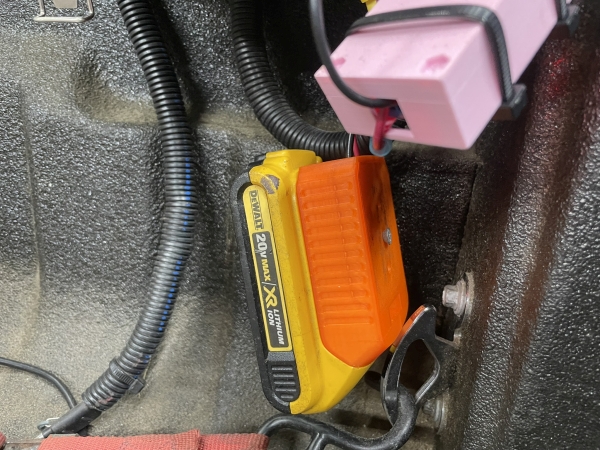
I started this as a way to power electrical items in the bed such as lighting, my doggie AC or backup cameras. The project was a success and I still appreciate the time I put in when I’m packing the bed of the truck in a darkened campground but can easily light anything I need with the flick of a switch. The problem I wanted to tackle was that the power was supplied by the truck’s batteries so its conceivable that a load left on accidentally could drain the starting batteries for the truck. My goal for the upgrade was to add a power adapter to accept DeWalt batteries which I commonly have with me to power various tools.
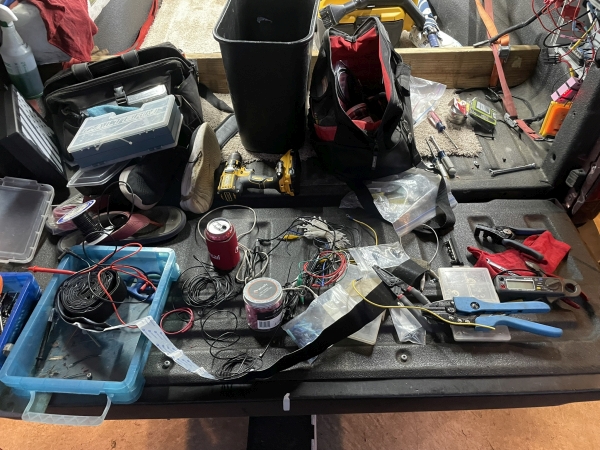
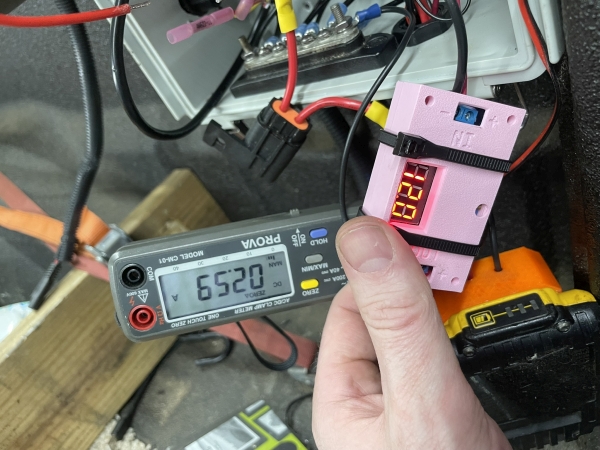
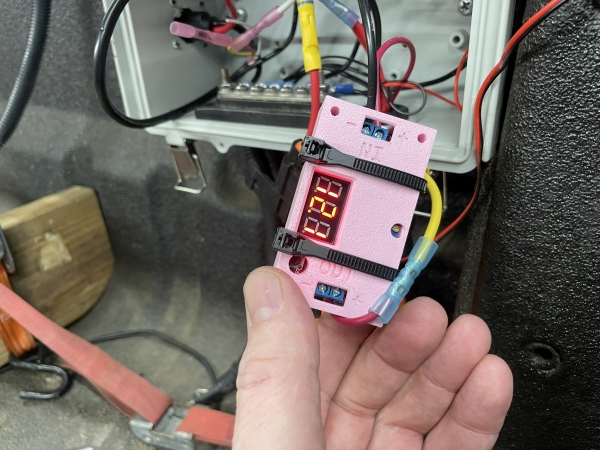
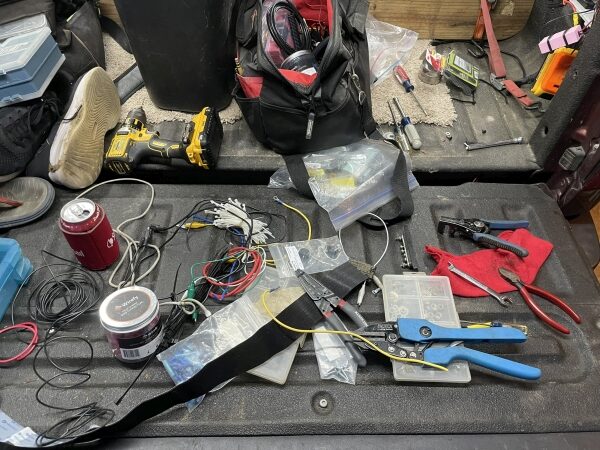
I first started by 3D printing a battery adapter which would accept the 20V batteries. With a couple contact conductors with wires, I could now supply DC straight into my accessory box. The problem was a lot of the accessories (lights) weren’t rated for 20V, so I stepped that down using a variable voltage regulator off of Amazon. Since that was essentially a circuit board, I needed to print a case to keep it from contacting other items in the accessory box. After a lot of awkward assembly, wire stripping, crimping and fresh overcurrent protection, my accessory box blazed forth an unparalleled beam of light from my lighting systems and I smiled in satisfaction.
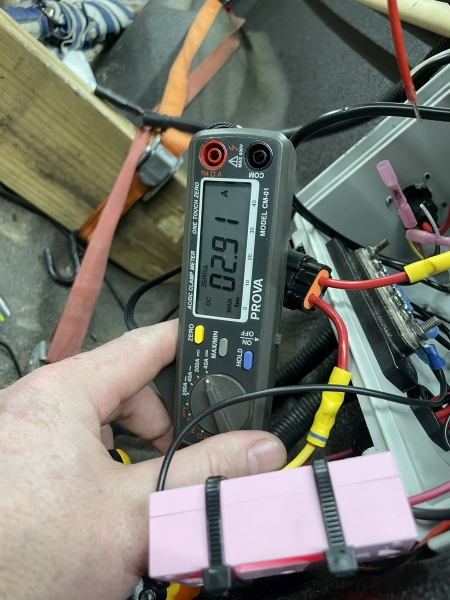
That satisfaction slowly waned when the LED strips started blinking every so often. Ugh. What’s going on? Out came my amp clamp and I discovered that my LED’s drew a considerable amount of juice. After re-reading the specs on my chinesium voltage regulator, I discovered that I was in fact overloading it’s meager circuits and the blinking was evidence of its cries for help. I further learned that having only one light on at a time was sufficient, so it came down to load management. I can deal with that. Maybe you’ll read a future post on me re-engineering this to better accommodate the loads, but for now, I’m happy.
UPDATE:
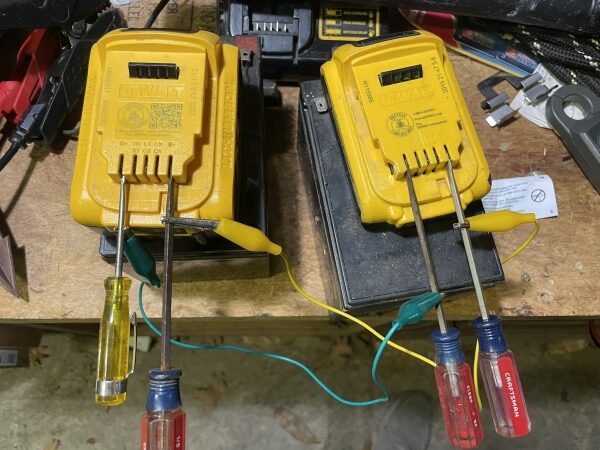
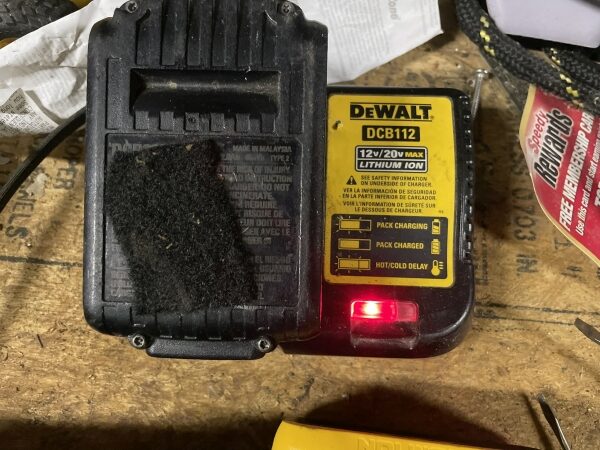
Too bad I forgot to wire in a master shut off switch. I discovered that there was a low draw in the system that bled off the entirety of my DeWalt battery bringing it all the way down to 2 volts. That’s below the minimum threshold for the Dewalt charger to bring it back to life. No matter, I’ve always wanted to try equalizing batteries a la redneck style: “Alls I need is a few wires and an fully charged battry.” “And maybe a fire extinguisher”. I rigged direct connections between the good battery and the dead battery using a few screwdrivers and test leads thereby bypassing the internal BMS. Things would have gotten a little spicy had those screwdrivers crossed.
Voila! back to life after equalizing for a few hours, the battery was back up to 10ish volts… within parameter for the regular charger to do its thing.